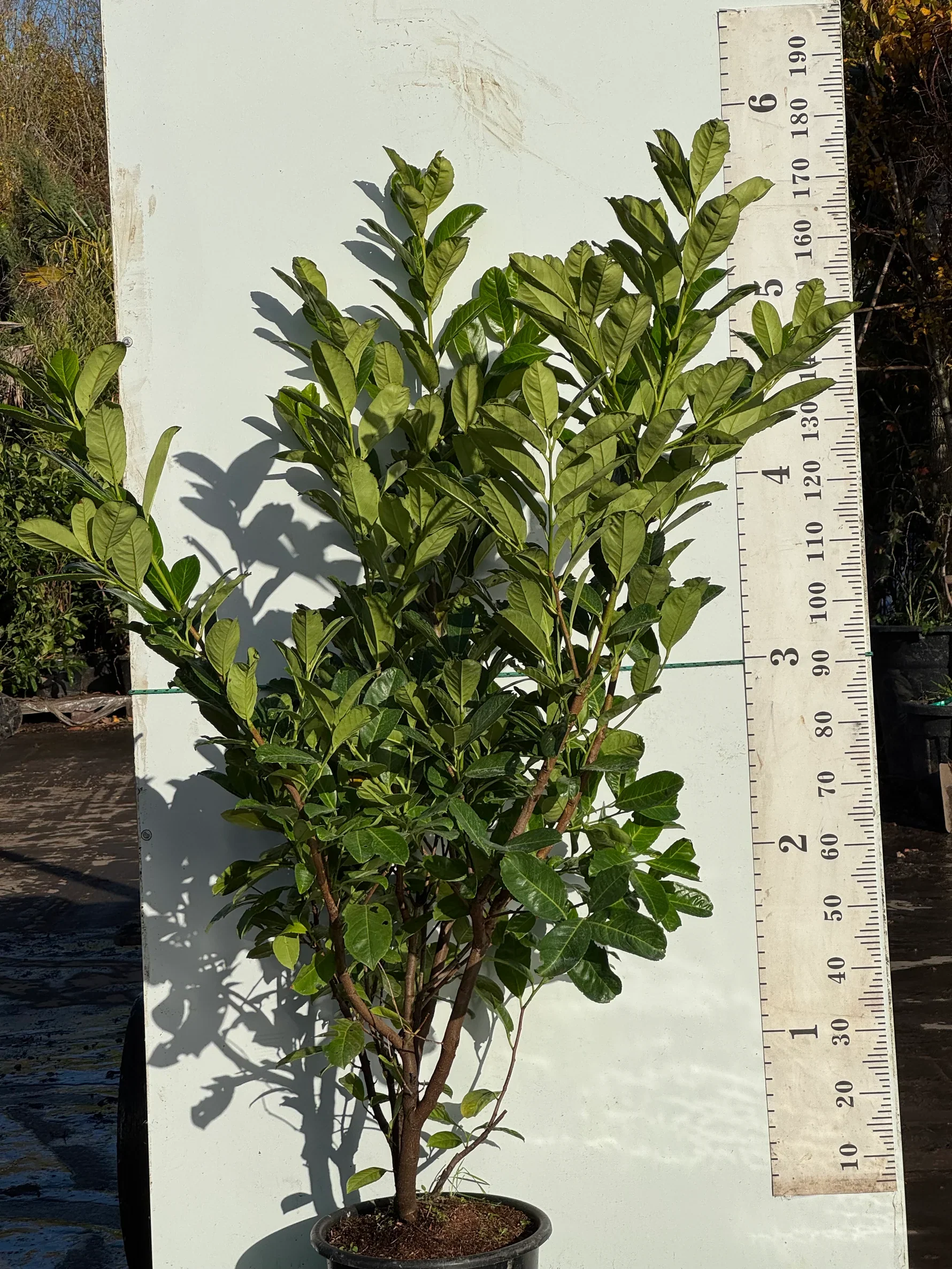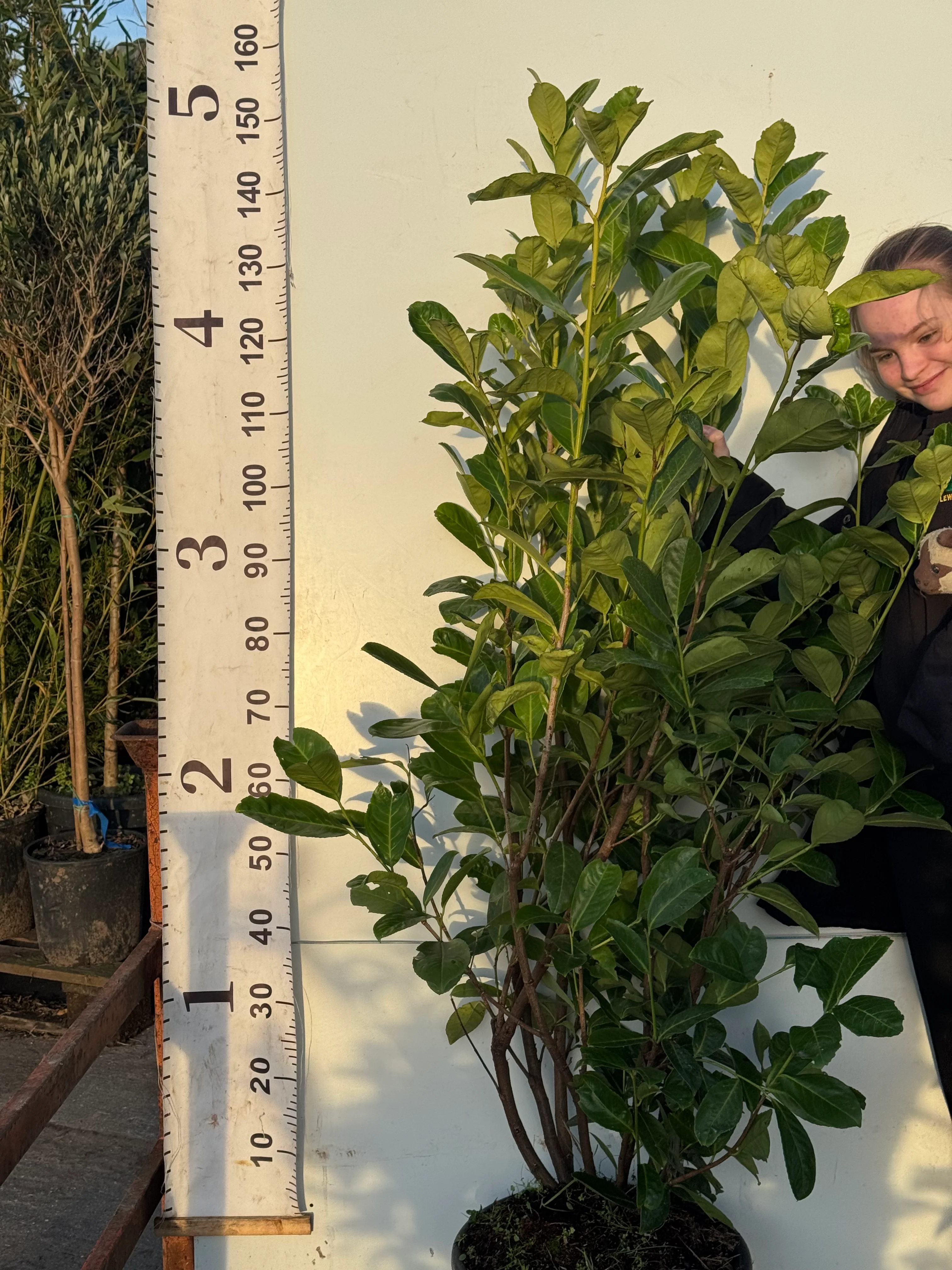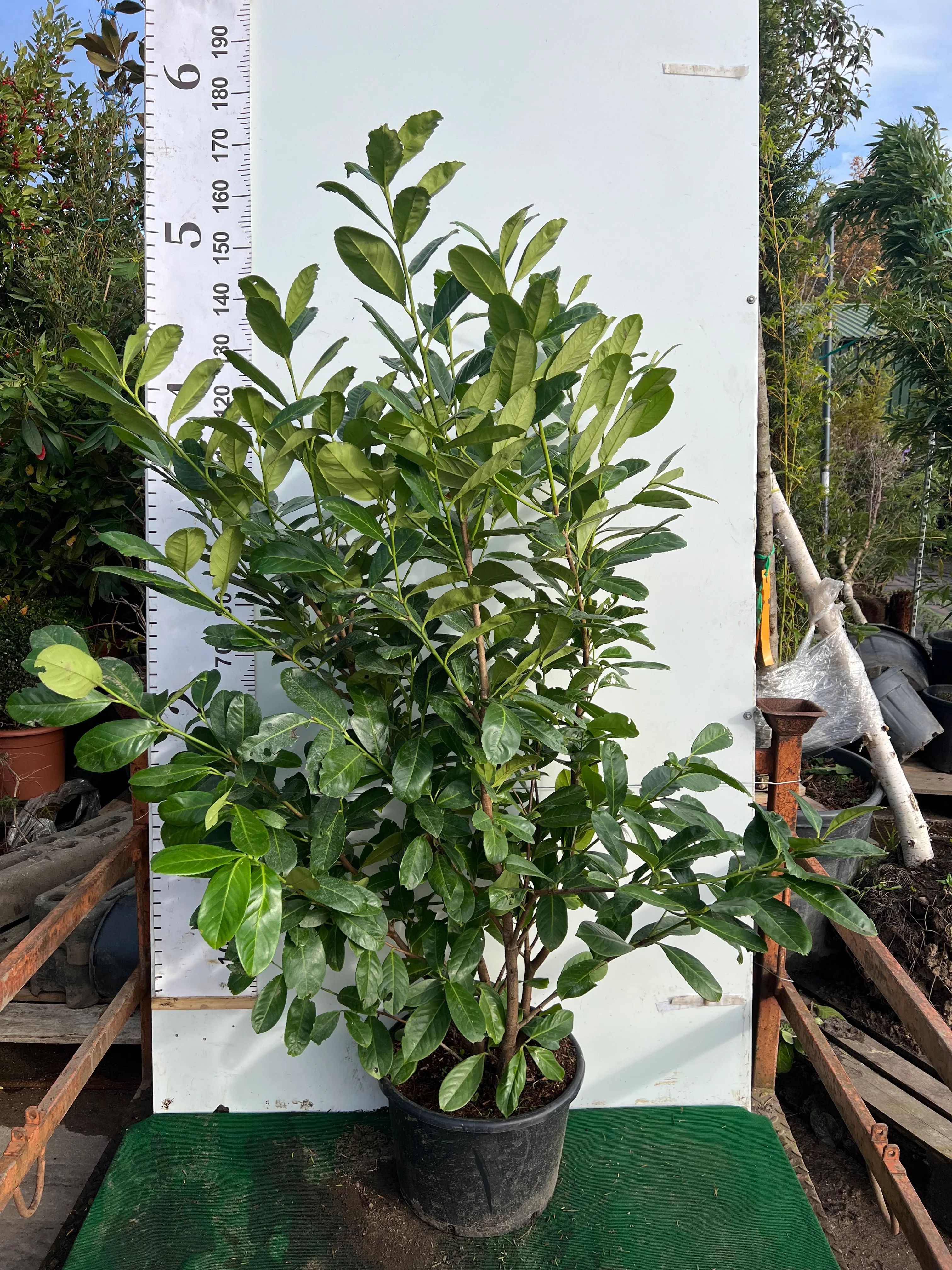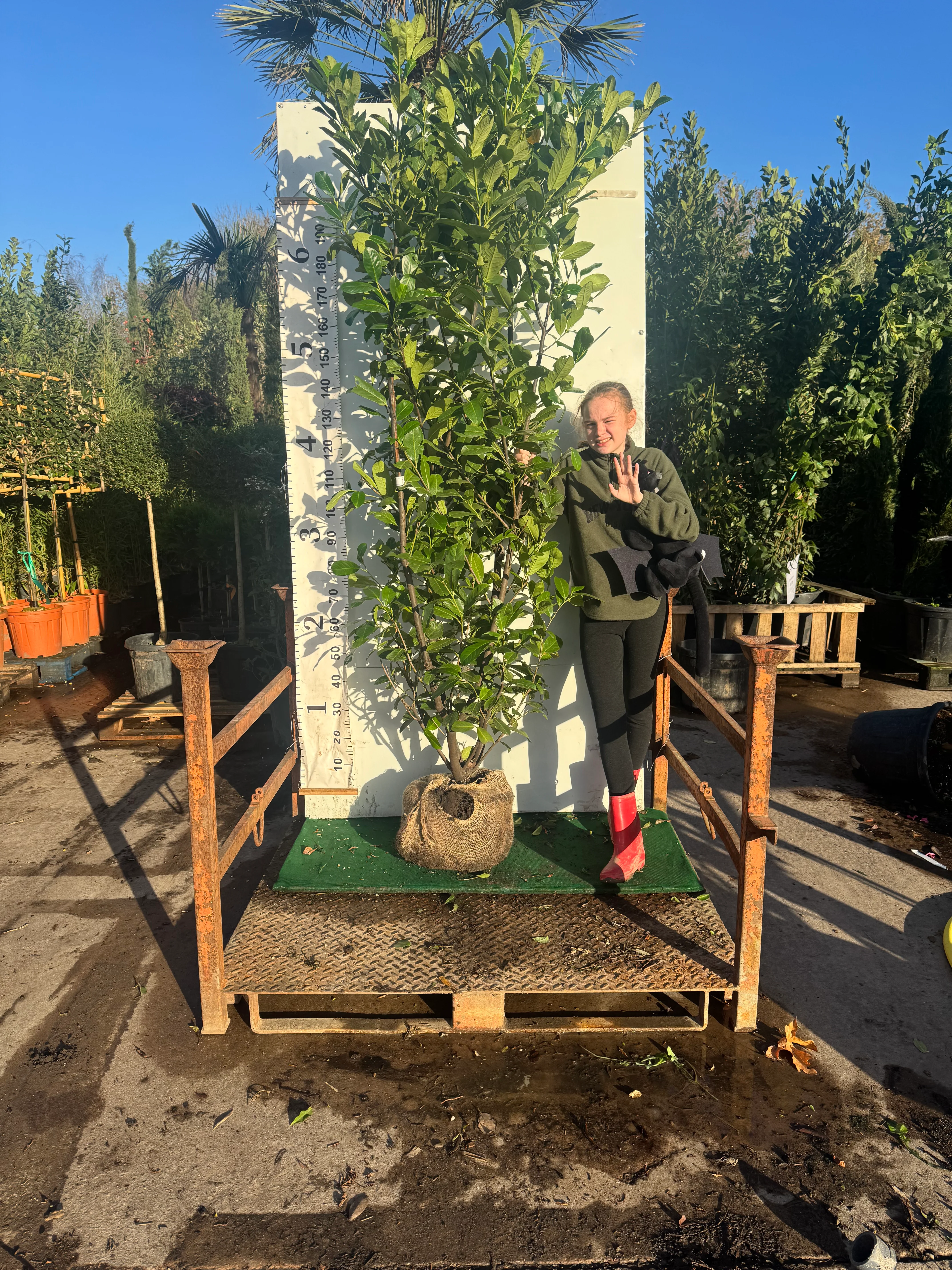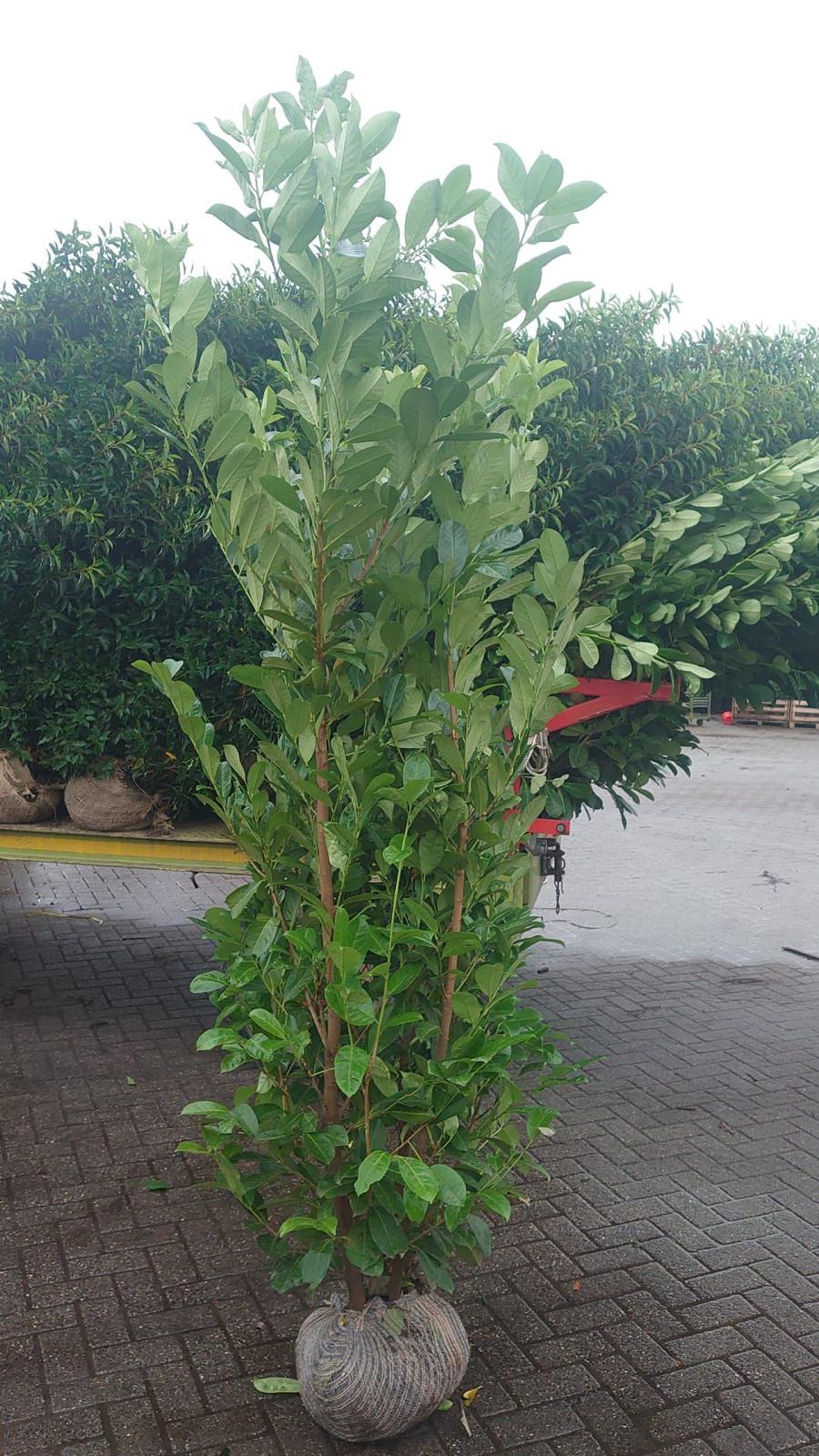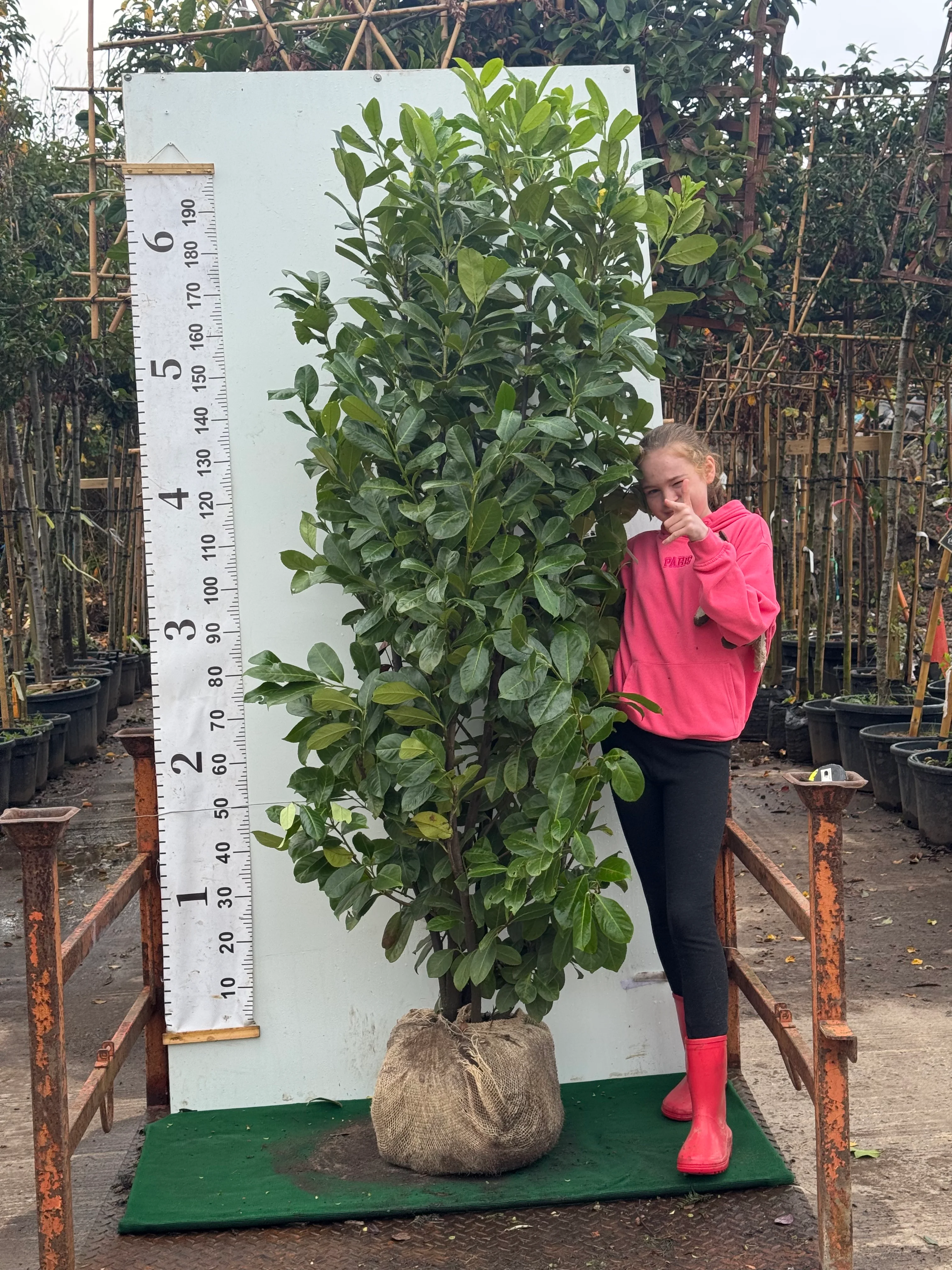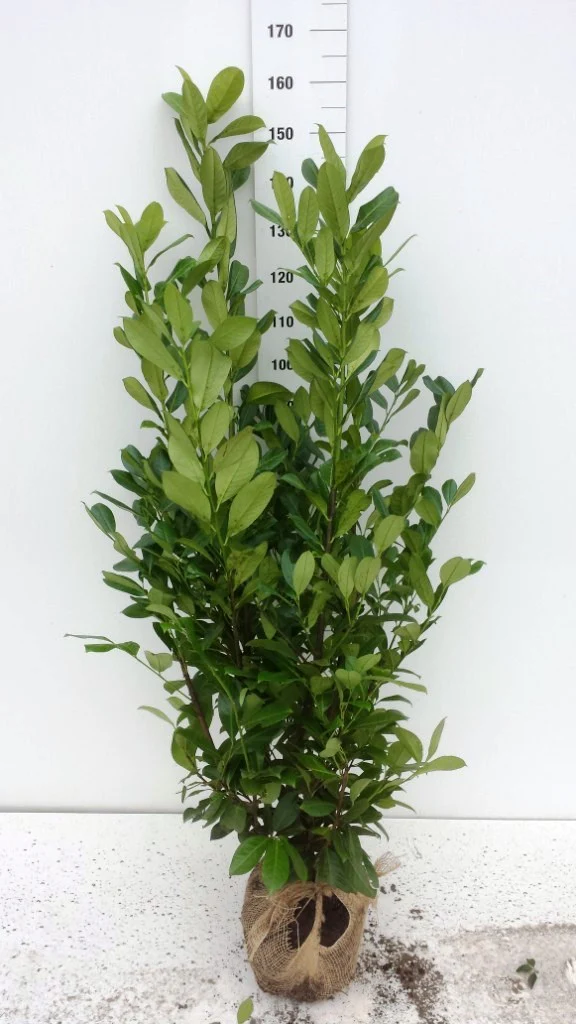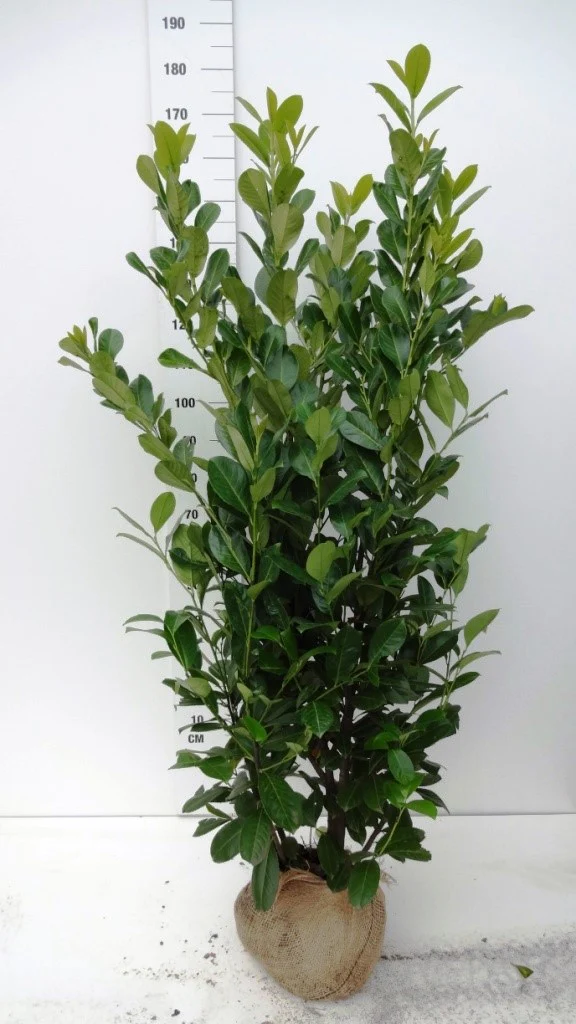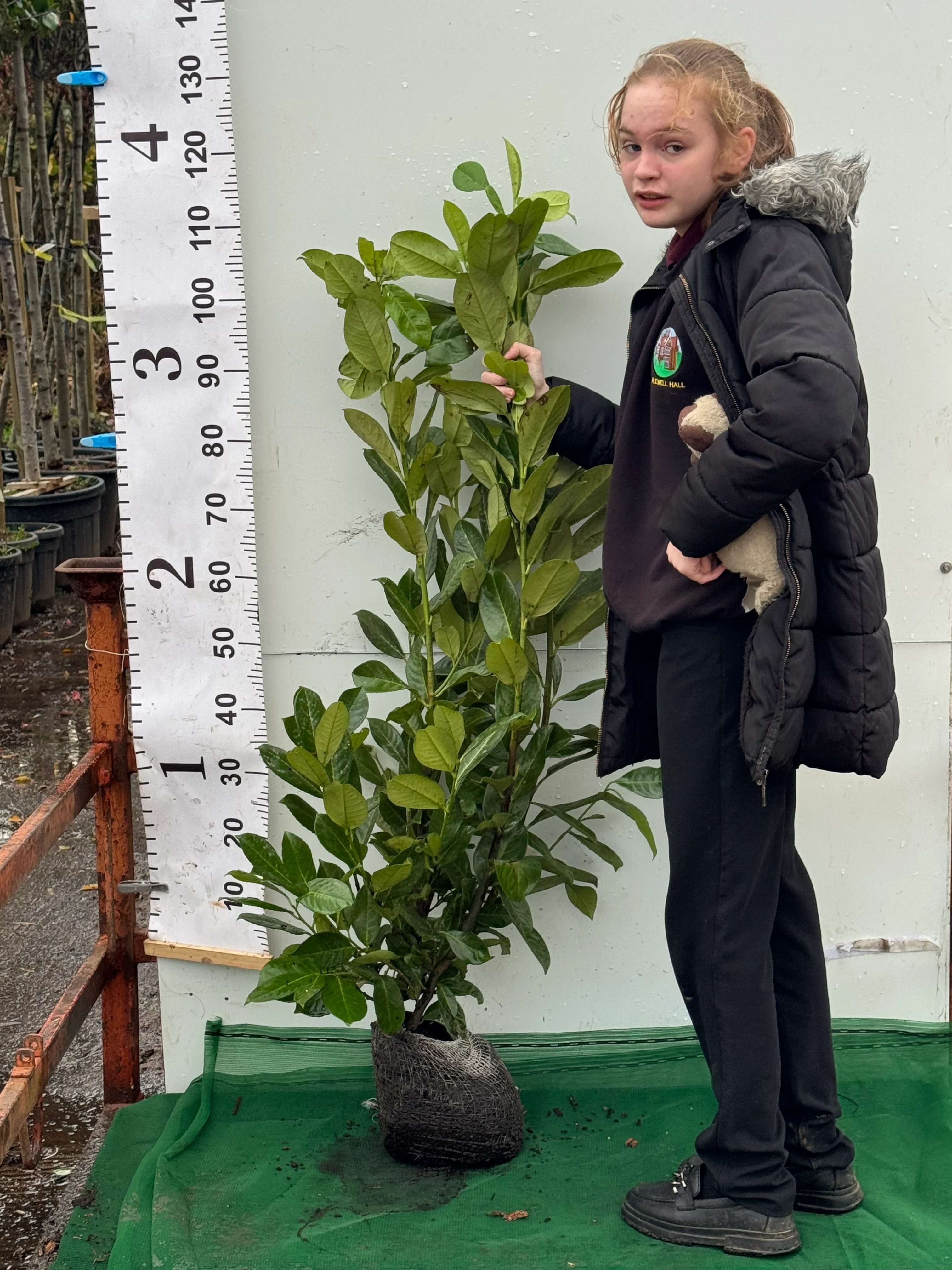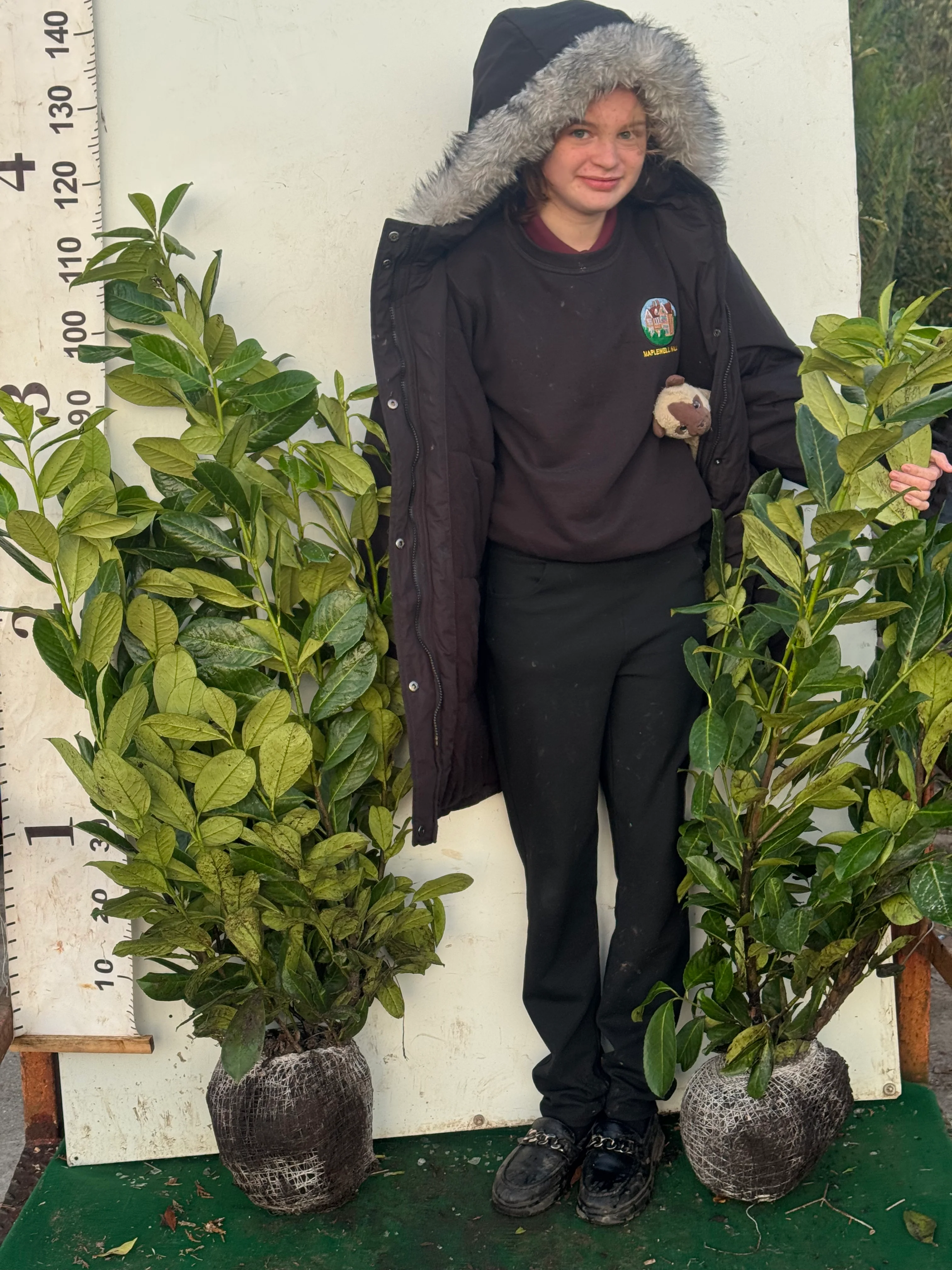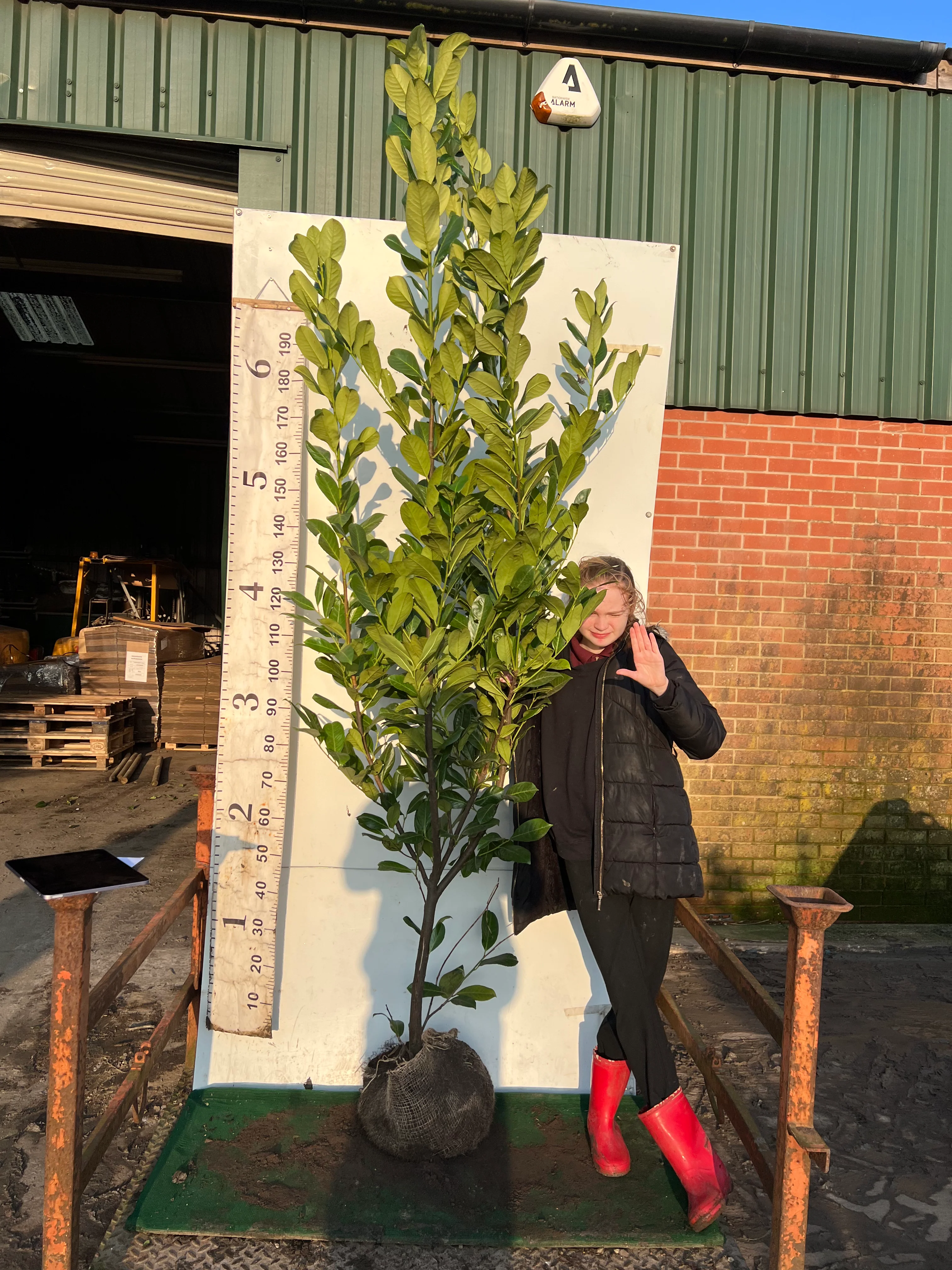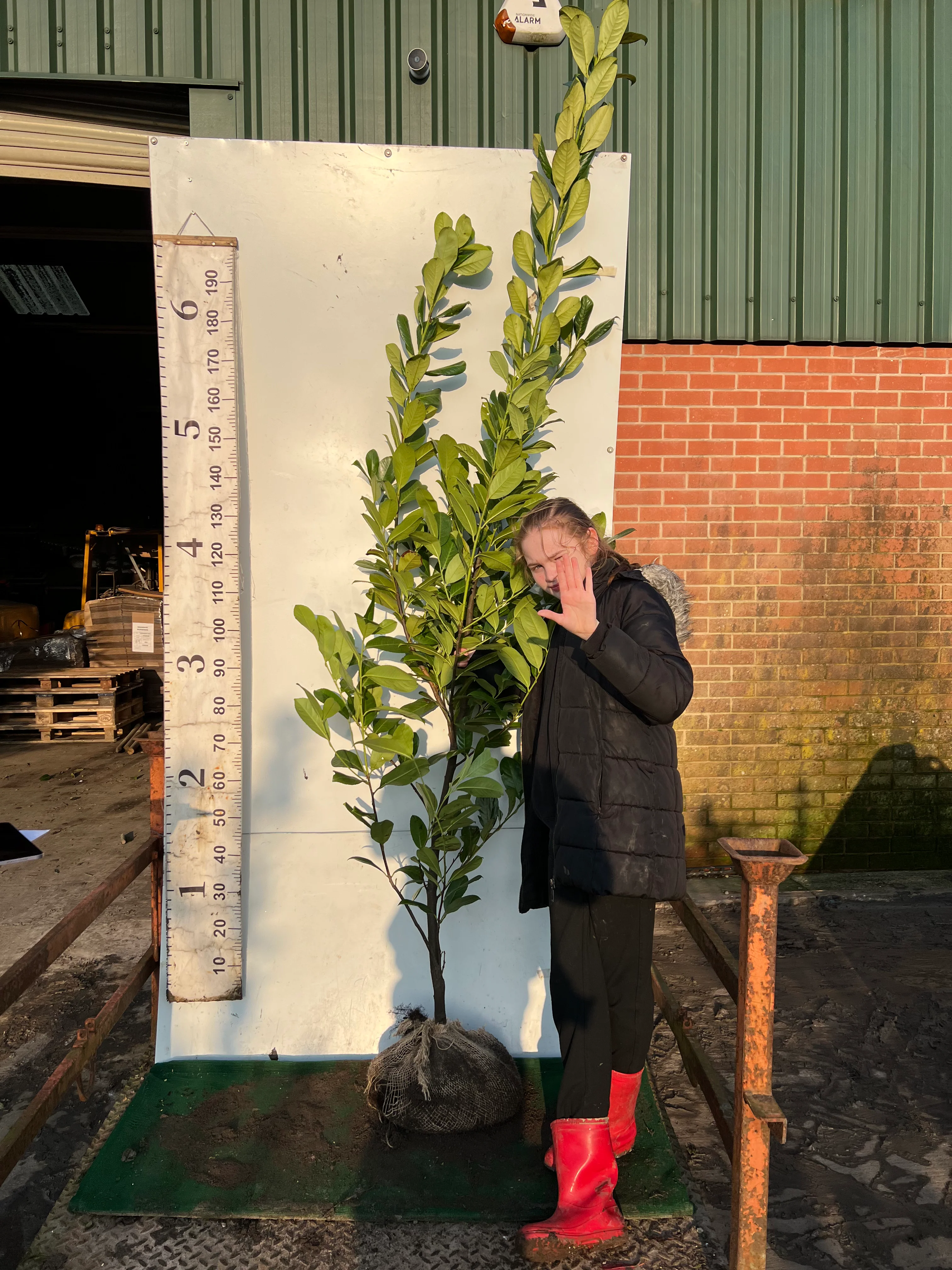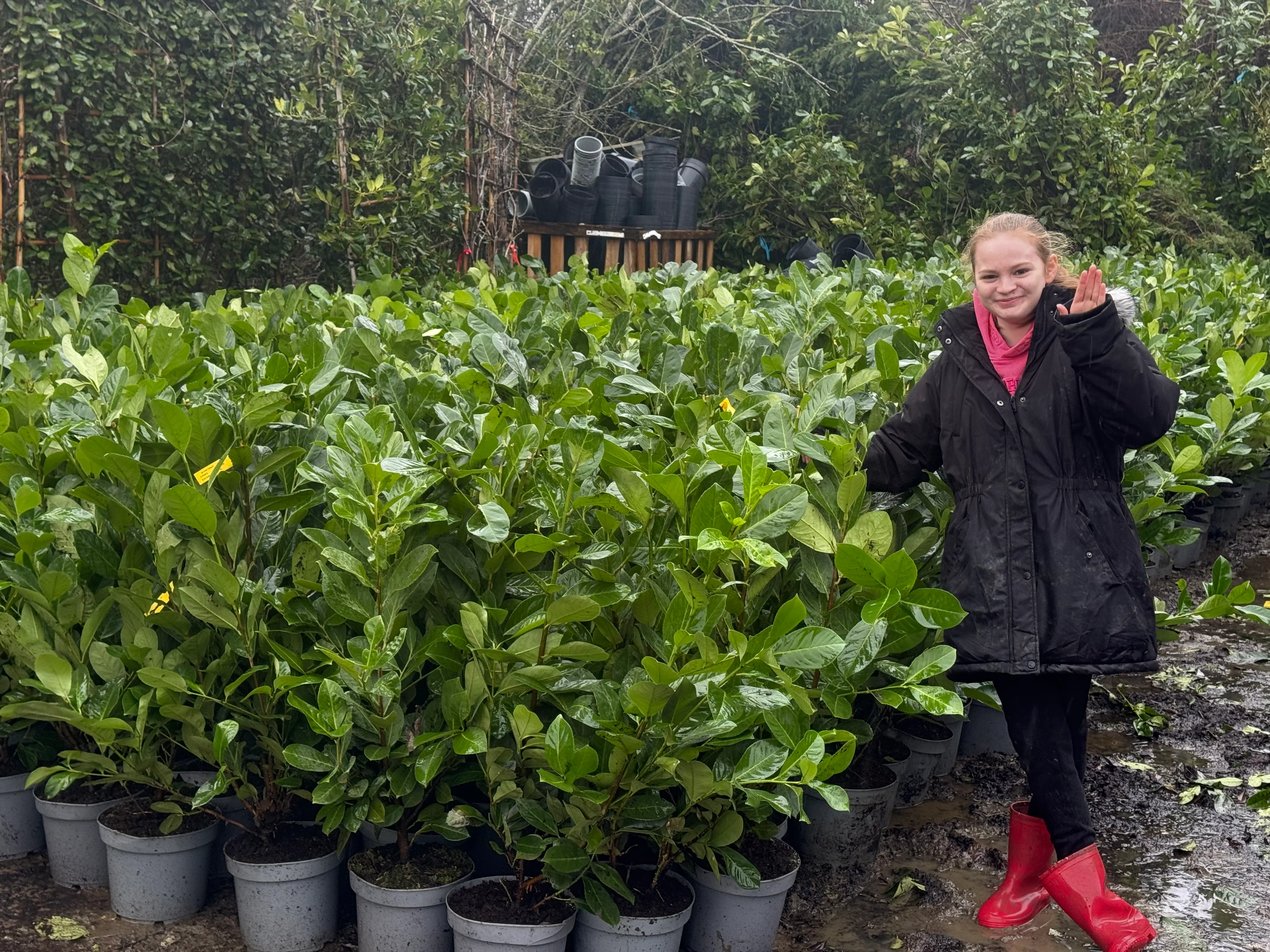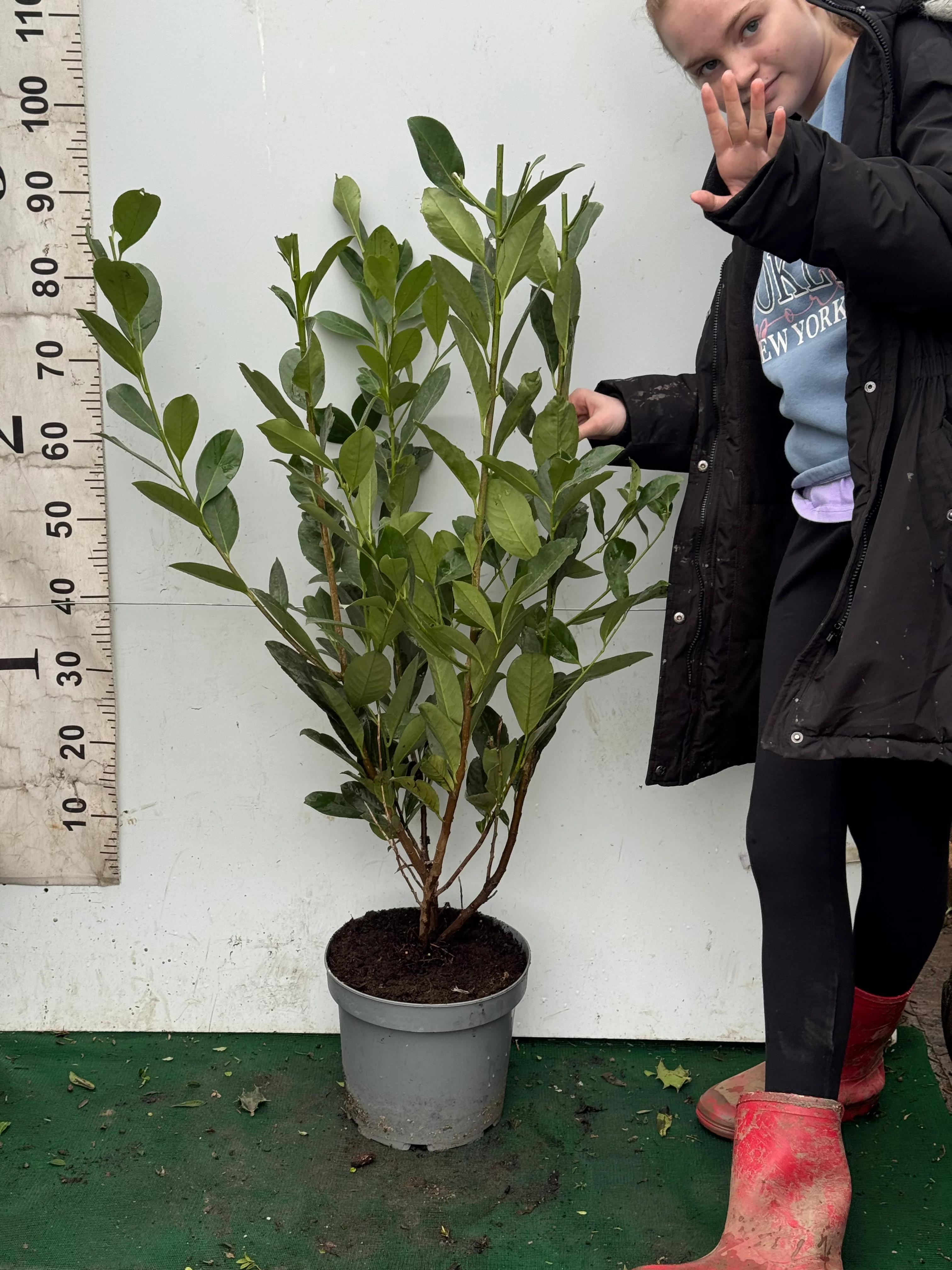
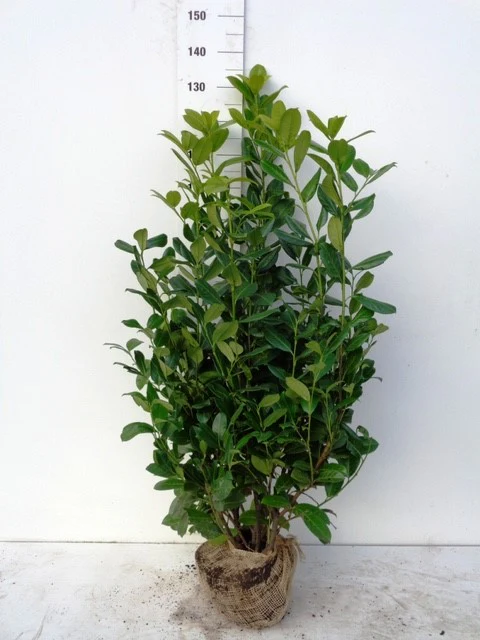
Cherry Laurel Rootball 100-120cm - Premium Quality, Unbeatable Price
✓ Denser foliage, thicker plants – Superior quality vs. standard rootballs
✓ Hand-selected specimens with robust root systems
✓ Instant privacy & faster establishment
✓ Premium grade – trusted by professional landscapers
🌟 LATEST BATCH ARE AMAZINGLY GOOD
Always leave the hessian sacking in place on rootball plants – it will naturally degrade over time
Create a lush, instant hedge with Laurel Rootball plants, one of the UK's most reliable and attractive evergreens. With their large, glossy green leaves and fast, bushy growth, Laurel rootballs are perfect for privacy screening, noise reduction, and garden borders.
The most compelling reason to buy Cherry Laurel Or Common Laurel- Prunus Laurocerasus Rotundifolia is it's toughness and fast growth rate height and width.
Cherry Laurel grows at at upto 60cm (2 foot per year) upto an eventual height of 8 Meters (25 feet) requiring a trim twice a year.
Will grow in any soil in sun or shade.
With rootball plants one can plant from October to (generally) April- always leave the rootball sacking on as it protects the rootball until the plant starts growing - the sacking will decompose over time.
Planting density: 3 plants per metre
· When to plant: October to End April generally avoiding extreme weather at actual time of planting (snow on the ground etc)- advantage of autumn planting ist that low light levels and sun strength mean that the need to water is generally limited.
· Trench or hole needs to be twice as wide as deep so on 80-100cm laurel rootball is about 25cm/ 10 inches across by 20cm/ 8 inches deep. The hole/ trench therefore needs to be 50cm (20 inches) across by 20cm (8 inches) deep for this size.
· Loosen the soil with a garden fork to help with drainage and to get air around the roots to get them off to a quicker start as weather brightens
· A handful of bonemeal in the bottom of each hole will help promote root growth as the phosphates contained promote healthy root growth.
· Mulching with organic matter or mypex grown covering around the base will keep the weeds down.
· Soil type : any
· The best time to prune laurel hedge is when they are dormant during winter
✓ Denser foliage, thicker plants – Superior quality vs. standard rootballs
✓ Hand-selected specimens with robust root systems
✓ Instant privacy & faster establishment
✓ Premium grade – trusted by professional landscapers
🌟 LATEST BATCH ARE AMAZINGLY GOOD
Always leave the hessian sacking in place on rootball plants – it will naturally degrade over time
Create a lush, instant hedge with Laurel Rootball plants, one of the UK's most reliable and attractive evergreens. With their large, glossy green leaves and fast, bushy growth, Laurel rootballs are perfect for privacy screening, noise reduction, and garden borders.
The most compelling reason to buy Cherry Laurel Or Common Laurel- Prunus Laurocerasus Rotundifolia is it's toughness and fast growth rate height and width.
Cherry Laurel grows at at upto 60cm (2 foot per year) upto an eventual height of 8 Meters (25 feet) requiring a trim twice a year.
Will grow in any soil in sun or shade.
With rootball plants one can plant from October to (generally) April- always leave the rootball sacking on as it protects the rootball until the plant starts growing - the sacking will decompose over time.
Planting density: 3 plants per metre
· When to plant: October to End April generally avoiding extreme weather at actual time of planting (snow on the ground etc)- advantage of autumn planting ist that low light levels and sun strength mean that the need to water is generally limited.
· Trench or hole needs to be twice as wide as deep so on 80-100cm laurel rootball is about 25cm/ 10 inches across by 20cm/ 8 inches deep. The hole/ trench therefore needs to be 50cm (20 inches) across by 20cm (8 inches) deep for this size.
· Loosen the soil with a garden fork to help with drainage and to get air around the roots to get them off to a quicker start as weather brightens
· A handful of bonemeal in the bottom of each hole will help promote root growth as the phosphates contained promote healthy root growth.
· Mulching with organic matter or mypex grown covering around the base will keep the weeds down.
· Soil type : any
· The best time to prune laurel hedge is when they are dormant during winter
Description
✓ Denser foliage, thicker plants – Superior quality vs. standard rootballs
✓ Hand-selected specimens with robust root systems
✓ Instant privacy & faster establishment
✓ Premium grade – trusted by professional landscapers
🌟 LATEST BATCH ARE AMAZINGLY GOOD
Always leave the hessian sacking in place on rootball plants – it will naturally degrade over time
Create a lush, instant hedge with Laurel Rootball plants, one of the UK's most reliable and attractive evergreens. With their large, glossy green leaves and fast, bushy growth, Laurel rootballs are perfect for privacy screening, noise reduction, and garden borders.
The most compelling reason to buy Cherry Laurel Or Common Laurel- Prunus Laurocerasus Rotundifolia is it's toughness and fast growth rate height and width.
Cherry Laurel grows at at upto 60cm (2 foot per year) upto an eventual height of 8 Meters (25 feet) requiring a trim twice a year.
Will grow in any soil in sun or shade.
With rootball plants one can plant from October to (generally) April- always leave the rootball sacking on as it protects the rootball until the plant starts growing - the sacking will decompose over time.
Planting density: 3 plants per metre
· When to plant: October to End April generally avoiding extreme weather at actual time of planting (snow on the ground etc)- advantage of autumn planting ist that low light levels and sun strength mean that the need to water is generally limited.
· Trench or hole needs to be twice as wide as deep so on 80-100cm laurel rootball is about 25cm/ 10 inches across by 20cm/ 8 inches deep. The hole/ trench therefore needs to be 50cm (20 inches) across by 20cm (8 inches) deep for this size.
· Loosen the soil with a garden fork to help with drainage and to get air around the roots to get them off to a quicker start as weather brightens
· A handful of bonemeal in the bottom of each hole will help promote root growth as the phosphates contained promote healthy root growth.
· Mulching with organic matter or mypex grown covering around the base will keep the weeds down.
· Soil type : any
· The best time to prune laurel hedge is when they are dormant during winter